

Do different colors of glass containers affect the wine?
May 26, 2025
Hey there, wine enthusiasts and industry folks! I'm a supplier of glass containers for wine, and today I want to dig into an interesting topic: Do different colors of glass containers affect the wine?
Let's start with the basics. Wine is a delicate beverage that can be influenced by various factors, and the color of its glass container is one of them. There are mainly three common colors of glass used for wine bottles: clear (flint glass), green, and brown.
First off, clear glass bottles, like our 0.5l Flint Glass Bottle For Whiskey. They look really sleek and let you fully appreciate the beautiful color of the wine inside. You can see the rich hues of red wines or the golden tones of white wines. But here's the thing, clear glass offers little to no protection against light. Light, especially ultraviolet (UV) light, can cause some serious damage to wine. When wine is exposed to light, it can trigger a series of chemical reactions. For example, it can break down certain compounds in the wine, leading to a process called "lightstruck" or "skunky" flavor. This is more common in white wines and can make the wine taste off, with a sort of sulfur - like or rubbery flavor. So, if you're using clear glass bottles, it's best for wines that are meant to be consumed relatively quickly or stored in a dark place.
Next up, green glass bottles. Green glass has been a traditional choice for wine storage for a long time. It provides a decent amount of protection against light. The green tint filters out a significant portion of UV light, which helps to slow down the oxidation process in the wine. Oxidation is a natural process that occurs when wine comes into contact with oxygen. While a little bit of oxidation can be beneficial for some wines, too much can make the wine lose its freshness, aroma, and flavor. Green glass bottles are great for wines that need a bit of aging, like many red wines. Our Unique Style Spirits Wine Glass Bottles in green glass not only offer protection but also have a classic and elegant look that many winemakers and consumers love.
Brown glass bottles are another option. They offer the highest level of protection against light. The dark brown color effectively blocks out almost all UV light, making them ideal for wines that are very sensitive to light and need long - term storage. For example, fortified wines like port or sherry, which can age for decades, often come in brown glass bottles. Our Wooden Oil Cork Glass Bottle in brown glass is a great choice for these types of wines. It keeps the wine in a stable environment, protecting it from the harmful effects of light and helping it develop complex flavors over time.
Now, let's talk about how these different glass colors can affect the wine's aging process. As I mentioned earlier, clear glass doesn't offer much protection, so wines in clear bottles tend to age faster. They're more likely to develop off - flavors if not consumed quickly. Green glass allows for a more controlled aging process. The limited light exposure means that the wine can slowly evolve and develop more complex flavors over a few years. Brown glass, on the other hand, provides a very stable environment for long - term aging. Wines stored in brown glass bottles can age gracefully for decades, with the flavors becoming more concentrated and refined.
But it's not just about protection and aging. The color of the glass can also have an impact on the consumer's perception of the wine. Clear glass gives a sense of freshness and modernity. It makes the wine look approachable and ready to drink. Green glass has a classic and traditional feel. It's often associated with high - quality wines that are meant to be savored. Brown glass, with its dark and mysterious appearance, can make the wine seem more special and valuable, especially for older or rare wines.

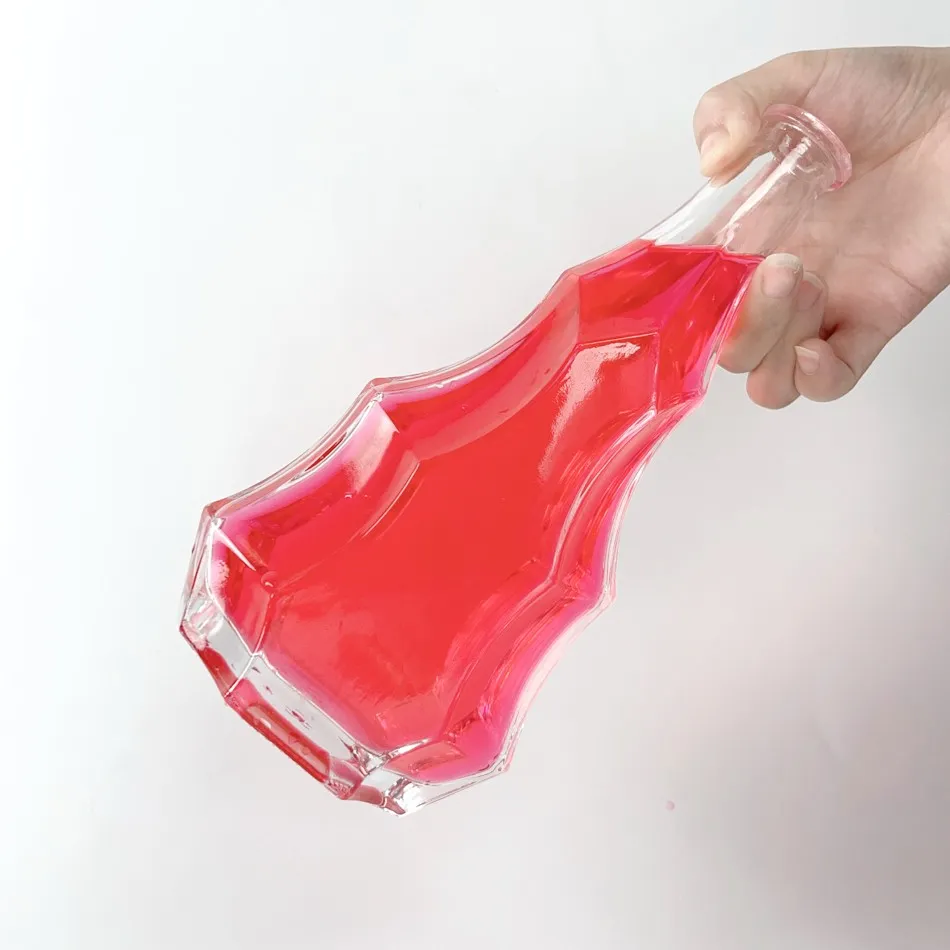
In addition to the color, the thickness of the glass also plays a role. Thicker glass can provide better insulation and protection against temperature changes. It can also give the bottle a more substantial and high - end feel. When choosing a glass container for your wine, you need to consider both the color and the thickness to ensure the best possible storage and presentation for your product.
As a glass container supplier, I understand that every winemaker has different needs. Whether you're producing a young, fresh wine that's meant to be consumed quickly or an aged, premium wine that will be stored for years, we have the right glass container for you. Our range of glass bottles in different colors and styles can meet the diverse requirements of the wine industry.
If you're in the wine business and looking for the perfect glass containers for your products, I'd love to have a chat with you. We can discuss your specific needs, such as the type of wine, the target market, and your budget. We're committed to providing high - quality glass containers that not only protect your wine but also enhance its appeal. So, don't hesitate to reach out and start a conversation about your glass container needs.
References
- Jackson, H. (2018). Wine Science: Principles and Applications. Academic Press.
- Robinson, J. (2019). The Oxford Companion to Wine. Oxford University Press.