

How to ensure the hygiene of a long neck glass bottle?
Jul 16, 2025
Ensuring the hygiene of long neck glass bottles is of utmost importance, especially for a supplier like me. In the beverage and spirits industry, where long neck glass bottles are widely used, maintaining high - level hygiene not only guarantees the quality of the product inside but also builds trust with customers. This blog will explore various aspects of ensuring the hygiene of long neck glass bottles, from raw material selection to the final packaging process.
Raw Material Selection
The journey of a hygienic long neck glass bottle starts with the selection of raw materials. High - quality silica sand, soda ash, and limestone are the primary ingredients for glass production. We source these materials from reliable suppliers who adhere to strict quality control standards. Silica sand should be pure, with minimal impurities such as iron oxide, which can affect the clarity and chemical stability of the glass.
During the manufacturing process, contaminants can be introduced if the raw materials are not properly handled. We ensure that the storage facilities for these raw materials are clean and free from dust and debris. Regular inspections are carried out to prevent any form of cross - contamination. By starting with pure raw materials, we lay a solid foundation for producing hygienic long neck glass bottles.
Manufacturing Process Hygiene
The manufacturing process of long neck glass bottles involves several steps, including melting, forming, and annealing. Each step requires strict hygiene control.
In the melting stage, the raw materials are heated to extremely high temperatures in a furnace. While the high temperature helps to eliminate many contaminants, the furnace itself needs to be regularly cleaned to prevent the build - up of residues. The refractory materials used in the furnace should be of high quality to avoid any leaching of harmful substances into the molten glass.
When it comes to forming the long neck glass bottles, the molds play a crucial role. The molds should be cleaned and polished regularly to ensure a smooth surface finish on the bottles. Any dirt or debris on the molds can transfer to the bottles, affecting their hygiene. We use non - toxic lubricants during the forming process to prevent sticking, and these lubricants are carefully selected to meet food - contact safety standards.
Annealing is the process of slowly cooling the formed bottles to relieve internal stresses. During this process, the bottles are placed in an annealing lehr. The lehr should be well - maintained to ensure a uniform cooling rate. Any temperature variations or contaminants in the lehr can lead to structural defects in the bottles, which may compromise their hygiene in the long run.
Cleaning and Sanitization
After the manufacturing process, the long neck glass bottles need to undergo a thorough cleaning and sanitization process. This is typically done using a combination of physical and chemical methods.
Physical cleaning methods include rinsing the bottles with high - pressure water to remove any loose particles. We use filtered water to ensure that the water itself is clean. Brushes or other mechanical cleaning tools can also be used to scrub the inside and outside of the bottles, especially in hard - to - reach areas such as the neck and the base.
Chemical sanitization is an essential step to kill any remaining bacteria and microorganisms. We use approved sanitizing agents that are effective against a wide range of pathogens. The concentration and contact time of the sanitizing agents are carefully controlled to ensure maximum effectiveness without leaving any harmful residues on the bottles. After sanitization, the bottles are rinsed again with clean water to remove any traces of the sanitizing agents.
Inspection and Quality Control
Inspection is a critical part of ensuring the hygiene of long neck glass bottles. We have a multi - stage inspection process in place.
Visual inspection is the first step. Trained inspectors carefully examine each bottle for any visible defects such as cracks, chips, or foreign objects. Any bottles that do not meet the quality standards are immediately removed from the production line.
In addition to visual inspection, we also use more advanced techniques such as automated optical inspection systems. These systems can detect even the smallest defects that may be missed by the human eye. They use high - resolution cameras and sophisticated algorithms to analyze the surface and structure of the bottles.
Microbiological testing is another important aspect of quality control. Samples of the bottles are taken regularly and tested for the presence of bacteria, yeast, and molds. If any contamination is detected, the entire batch of bottles may be subject to further cleaning and re - testing or even discarded if the contamination is severe.
Packaging and Storage
Once the long neck glass bottles have passed all the inspection and quality control tests, proper packaging and storage are essential to maintain their hygiene.
We use clean and hygienic packaging materials. The boxes or cartons used to pack the bottles are made from high - quality materials that are resistant to moisture and dust. Inside the boxes, we use dividers or cushioning materials to prevent the bottles from rubbing against each other and getting damaged.
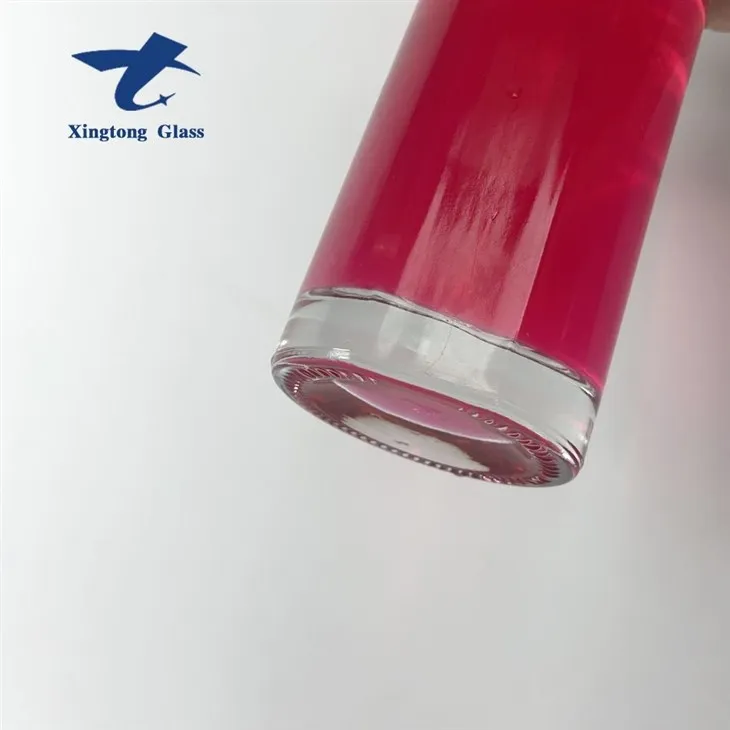
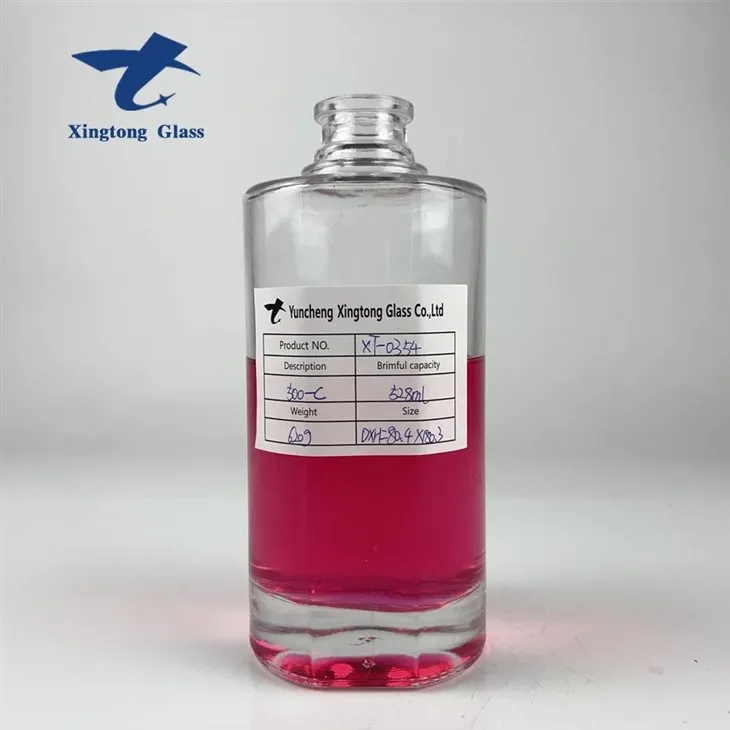
During storage, the long neck glass bottles should be kept in a clean and dry environment. The storage facilities should be temperature and humidity - controlled to prevent the growth of mold and bacteria. Regular inventory checks are carried out to ensure that the bottles are stored in a first - in, first - out manner, reducing the risk of long - term storage - related contamination.
Product Examples
We offer a variety of long neck glass bottles to meet different customer needs. For example, our 500ml Popular Glass Bottle is a popular choice for many beverage producers. It is carefully manufactured and goes through our strict hygiene control process. Another option is the Engraved Tequila Bottle 700ml 680gram, which not only provides a hygienic container for tequila but also has an elegant engraved design. Our Heavy Base Round Tequila Glass Bottles are known for their stability and high - level hygiene.
Conclusion
Ensuring the hygiene of long neck glass bottles is a comprehensive process that involves every stage from raw material selection to final packaging. As a long neck glass bottle supplier, we are committed to providing our customers with the highest quality and most hygienic products. By implementing strict quality control measures at every step, we can guarantee that our long neck glass bottles meet the most stringent hygiene standards.
If you are interested in our long neck glass bottles and would like to discuss your procurement needs, please feel free to reach out for a detailed negotiation. We look forward to working with you to meet your packaging requirements.
References
- "Glass Packaging: A Sustainable Solution for the Future" by Packaging Digest
- "Quality Control in Glass Manufacturing" by Glass Technology Services
- "Hygiene Standards in the Food and Beverage Packaging Industry" by the Food and Drug Administration (FDA) guidelines