

What are the typical weights of gin glass packaging?
Dec 16, 2025
What are the typical weights of gin glass packaging?
As a supplier of Gin Glass Packaging, I've had the privilege of working closely with the gin industry, understanding the nuances of glass packaging, and one of the most frequently asked questions is about the typical weights of gin glass packaging. In this blog, I'll delve into the factors that influence these weights, the common weights you can expect, and why it matters in the gin business.
Factors Influencing the Weight of Gin Glass Packaging
The weight of gin glass packaging isn't a random number; it's influenced by several key factors.
Glass Thickness: Thicker glass generally means a heavier bottle. A thicker wall provides more durability, protecting the precious gin inside from potential damage during transportation and handling. However, it also adds to the overall weight. For example, a high - end gin brand might opt for a thicker glass bottle to convey a sense of luxury and quality, even though it increases the weight.
Bottle Shape: The shape of the bottle plays a significant role. A square - shaped bottle, like the square glass bottles, may have different weight characteristics compared to a round or oval - shaped one. Square bottles often have more edges and corners, which can require additional glass material for structural integrity, potentially increasing the weight.
Volume Capacity: Naturally, larger volume bottles will be heavier. A 1 - liter gin bottle will weigh more than a 700 - ml one, assuming similar glass thickness and shape. The more gin the bottle can hold, the more glass is needed to contain it.
Design Elements: Intricate designs, such as embossing, raised logos, or decorative elements on the bottle, can add to the weight. These designs require additional glass material to create the desired effect, and they also contribute to the brand's aesthetic appeal.
Common Weights of Gin Glass Packaging
Let's take a look at some of the typical weights you'll encounter in gin glass packaging.
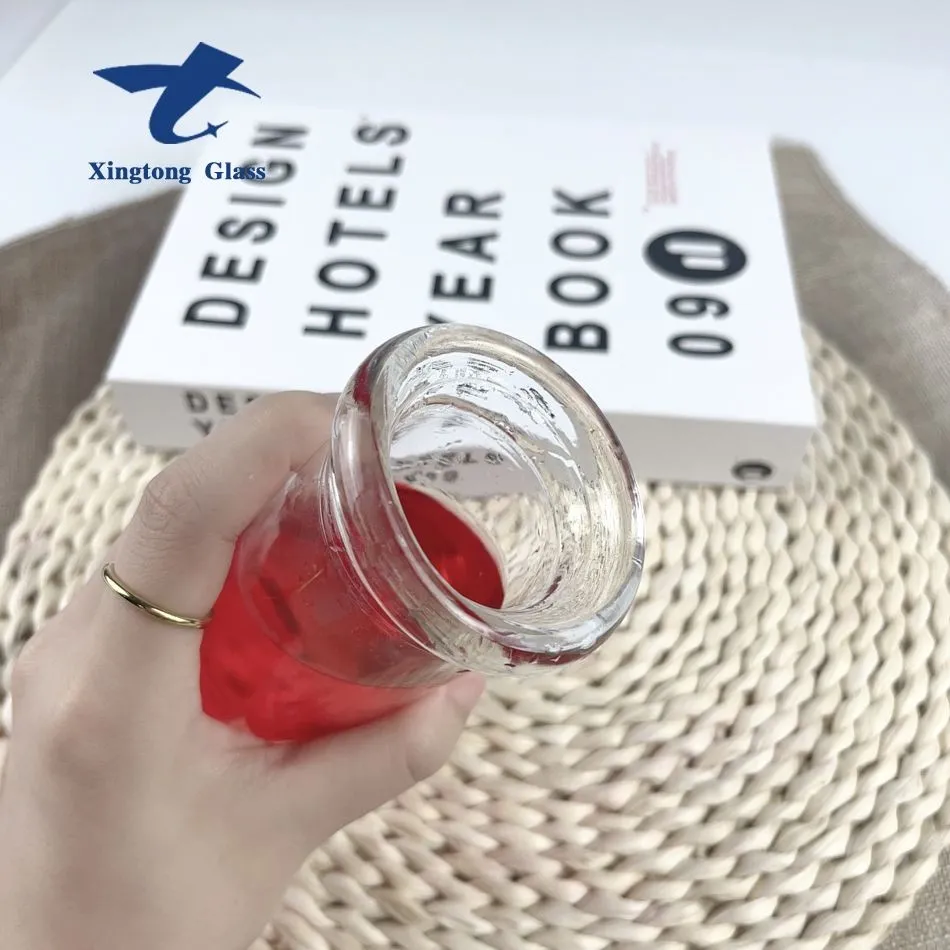
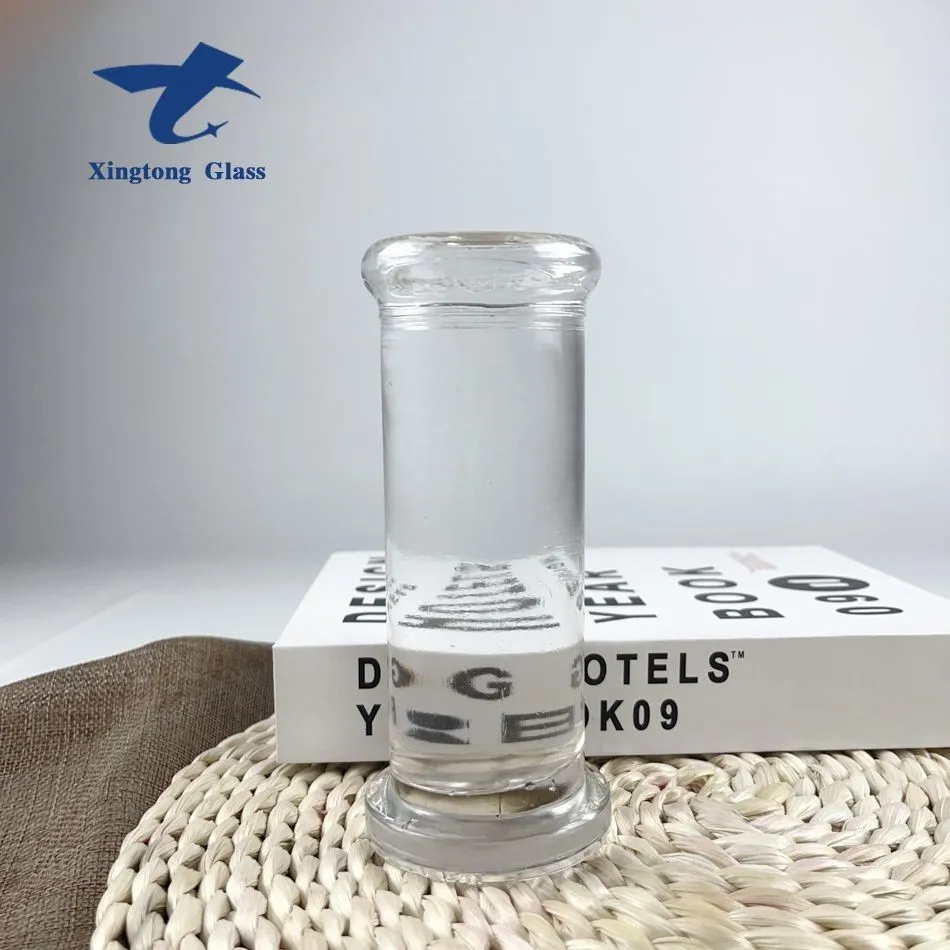
700 - ml Bottles: This is a very common size for gin bottles. A standard 700 - ml gin bottle with a regular glass thickness and a simple design might weigh around 400 - 500 grams. However, if it has a thicker glass or more elaborate design, the weight could increase to 550 - 600 grams or even more. For example, a 700 - ml short square vodka, brandy, or whiskey bottle might weigh around 580 grams, as shown in the square glass bottles product page.
1 - liter Bottles: Larger 1 - liter gin bottles are also popular. A basic 1 - liter bottle with a standard glass thickness may weigh around 600 - 700 grams. But if it has special features like a screw - cap and a more robust construction, such as the Brandy 1L Glass Bottles With Screwcap, the weight could be higher.
Smaller Sampler Bottles: Sampler bottles, usually around 50 - 100 ml, are much lighter. A 50 - ml gin sampler bottle might weigh around 50 - 100 grams, depending on its design and glass thickness. These smaller bottles are great for promotional purposes or allowing consumers to try different gins without committing to a full - sized bottle.
Why the Weight of Gin Glass Packaging Matters
The weight of gin glass packaging has several implications for both the brand and the consumer.
Cost: Heavier glass bottles mean higher production costs. More glass material is used, which increases the raw material cost. Additionally, heavier bottles also incur higher shipping costs, as shipping fees are often based on weight. Brands need to balance the desire for a high - quality, heavy - duty bottle with the cost implications.
Consumer Perception: The weight of the bottle can influence how consumers perceive the gin. A heavier bottle often gives the impression of a premium product. Consumers may associate a heavier bottle with better quality, more attention to detail, and a higher - end brand. This can be a powerful marketing tool for gin producers.
Sustainability: In today's environmentally - conscious world, the weight of glass packaging is also a sustainability concern. Heavier bottles require more energy to produce and transport, which has a greater environmental impact. Brands are increasingly looking for ways to reduce the weight of their glass bottles without sacrificing quality or aesthetics to be more sustainable.
Handling and Storage: For retailers and consumers, the weight of the bottle can affect handling and storage. Heavier bottles may be more difficult to move around, especially in large quantities. They also take up more space in storage, both in warehouses and on store shelves.
Specialized Gin Glass Packaging
Apart from the standard gin bottles, there are also specialized gin glass packaging options.
Meausure Cup Glass Bottles are an interesting alternative. These bottles come with a built - in measuring cup, which can be very convenient for consumers. The weight of these bottles will depend on their size and the design of the measuring cup. They may be slightly heavier than regular bottles due to the additional glass used for the measuring cup.
Conclusion
Understanding the typical weights of gin glass packaging is crucial for gin brands, retailers, and consumers. The weight is influenced by factors such as glass thickness, bottle shape, volume capacity, and design elements. Common weights vary depending on the size of the bottle, with 700 - ml bottles typically weighing between 400 - 600 grams and 1 - liter bottles around 600 - 700 grams.
The weight of the packaging has implications for cost, consumer perception, sustainability, and handling. As a Gin Glass Packaging supplier, I'm committed to providing high - quality packaging solutions that meet the diverse needs of the gin industry. Whether you're looking for a standard bottle or a specialized design, we have the expertise and products to suit your requirements.
If you're in the gin business and interested in discussing your gin glass packaging needs, I encourage you to reach out. We can have a detailed conversation about the best packaging options for your brand, taking into account factors like weight, cost, and sustainability. Let's work together to create the perfect gin glass packaging for your product.
References
- Industry reports on gin packaging trends
- Internal data from gin glass packaging production
- Conversations with gin producers and retailers